Story
Göss Abbey is a former Benedictine abbey in Göss
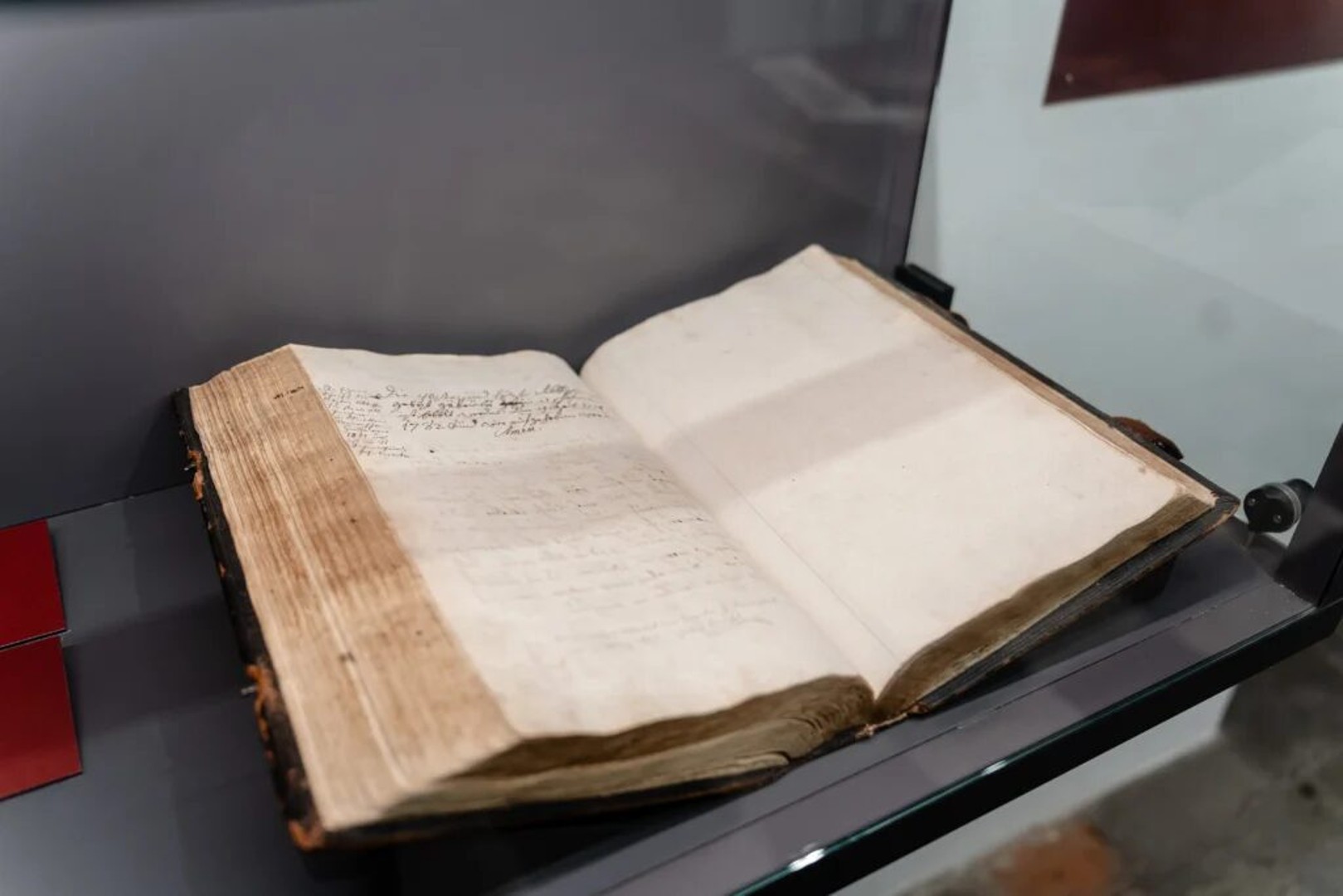
The origins of Göss Abbey go back to the year 904: With the so-called Murtal donation, the noble Aribo family received a land donation that is considered the oldest surviving parchment document in Styria. The actual monastery was founded around 1000–1020 by the Aribo family; With a document dated May 1, 1020, Emperor Henry II elevated the nunnery to an imperial abbey - the only one in what is now Austria.
Between 1148 and 1188, the independent St. Andrew's Church was built as a parish church for the local population, while the collegiate church was reserved for the nuns. In 1618, the admission restrictions, which until then had been purely aristocratic, were relaxed so that citizens' and farmers' daughters were also admitted as lay sisters.
In 1782, Emperor Joseph II abolished the women's monastery as part of the Josephine monastery reforms. From 1783 to 1800 the church briefly served as the cathedral of the newly founded diocese of Leoben before it was assigned to the diocese of Seckau. In 1794 the old St. Andrew's Church was demolished - only the free-standing St. Andrew's Tower remained as a bell and clock tower.
In April 1797, Napoleon Bonaparte took up residence in the abolished monastery; On April 18, 1797, the preliminary peace of Leoben was signed in the nearby Eggenwald garden house. In 1860, Max Kober acquired parts of the monastery and continued the monastic brewing tradition that had existed since 1459 - the cornerstone of the Gösser brewery. In 1911, the world-famous “Gösser Ornat” was sold to the Museum of Applied Arts (MAK) in Vienna.